
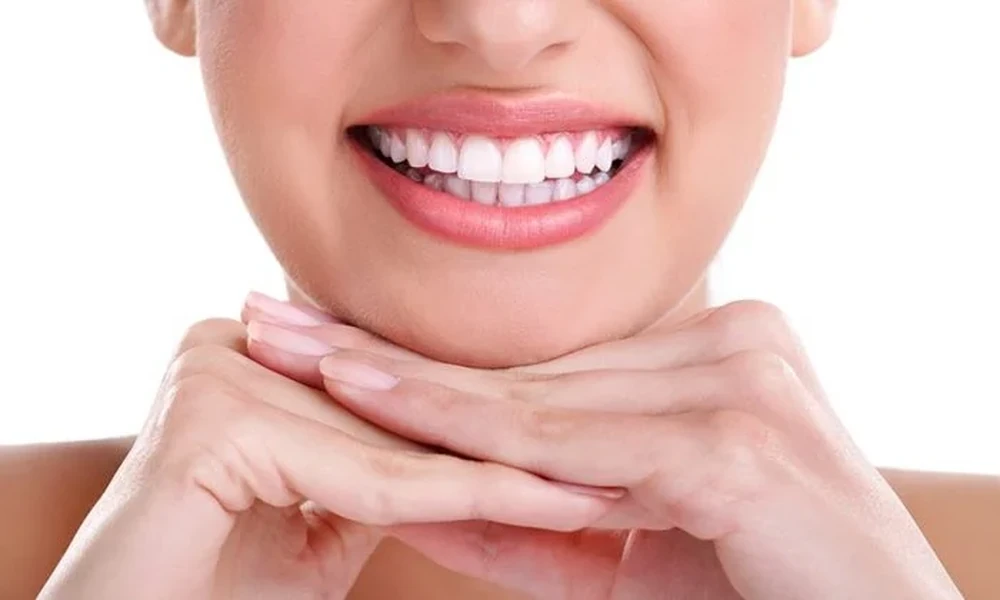
You may be dealing with more than one dental problem at once, and an expert dentist serving Peachtree Corners, GA community can help you address both function and appearance. A tooth is chipped, an old filling is failing, your bite feels off, and every time you smile you notice the one thing no one else may even see. That mix of health concerns and appearance concerns can feel hard to explain, especially when you are trying to decide whether to fix the function first or the look first.
The truth is, those two goals often belong together. A Cosmetic And Restorative Dentist does not just focus on making teeth look better or only on repairing damage. The best results often come when both are planned at the same time, so your teeth work well, feel comfortable, and look natural. That is the core reason many people choose combined cosmetic and restorative dental care instead of treating each issue as a separate project.
Cosmetic and restorative treatment solves the full problem
If a cracked tooth also stains easily, a cosmetic fix alone may cover the color but ignore the weakness. A restorative fix alone may protect the tooth but leave you unhappy with how it looks. That split approach can leave you paying for one treatment now and another later.
When care is combined, the plan starts with the whole picture. A crown can restore strength and shape. Bonding can repair a chip and improve symmetry. Veneers may improve appearance, but they only make sense if the teeth underneath are healthy and stable. According to dental care services provided through the University of Iowa, restorative and cosmetic services often overlap because oral health, bite function, and appearance affect each other every day.
This matters in real life. If you grind your teeth, whitening alone will not solve the wear. If you replace a missing tooth but ignore spacing and smile balance, the result may feel functional yet unfinished. A restorative and cosmetic dental approach looks at the cause, the damage, and the final appearance in one plan.
Combining care often protects your long term dental health
Small problems grow when they are treated in pieces. A worn tooth can change your bite. A changed bite can strain nearby teeth. That strain can lead to more cracks, jaw tension, and repairs that keep stacking up. You might think you are saving money by handling only the urgent issue, then end up returning for more work because the bigger pattern was never addressed.
Integrated treatment helps prevent that cycle. If a dentist restores a damaged tooth while also adjusting shape, spacing, or contact points, the repair tends to work better with the rest of your mouth. That can reduce uneven wear and help restorations last longer.
There is also the issue of infection and decay. Some dental problems that seem cosmetic are not only cosmetic. Dark spots, broken edges, and old dental work can hide deeper damage. The National Library of Medicine explains in its overview of tooth repair and restoration that treatments such as fillings, crowns, implants, and other repairs are used to restore both function and structure. That structure matters every time you chew, speak, and clean your teeth.
One coordinated plan can save time and reduce repeat work
Most people are not looking for more dental visits. They want fewer surprises, fewer revisions, and a clear plan. Combining cosmetic and restorative care often makes that possible.
If your dentist plans the bite, color, shape, and structural repair together, materials can be matched more accurately and procedures can be sequenced with purpose. Whitening before crowns, for example, may help the final restorations blend better. Replacing a worn filling before cosmetic contouring may avoid redoing the cosmetic work later. That kind of planning reduces the common frustration of fixing one thing only to disturb it during the next treatment.
This is one of the strongest benefits of seeing a cosmetic dentist for restorative needs when your concerns overlap. You get a roadmap instead of a patchwork.
Better appearance can improve comfort, confidence, and daily habits
People often downplay the emotional side of dental care, but it affects daily life. If you avoid smiling in photos, cover your mouth when you laugh, or chew on one side because the other side feels unreliable, that is not a small issue. It changes how you move through the day.
When treatment improves both function and appearance, patients often notice practical changes first. They chew more evenly. They stop worrying about a visible damaged tooth. They clean their teeth more consistently because the work feels worth protecting. Confidence is part of health when it helps you stay engaged with your own care.
| Approach | What It Focuses On | Common Upside | Common Limitation |
|---|---|---|---|
| Cosmetic care alone | Color, shape, surface appearance | Fast visual improvement | May miss decay, bite issues, or weak tooth structure |
| Restorative care alone | Repairing damage and restoring function | Improves strength and chewing ability | May leave visible mismatch or unfinished smile concerns |
| Combined cosmetic and restorative care | Health, function, appearance, and bite together | More balanced result with fewer future adjustments | Needs careful planning and may involve multiple steps |
Clear action now leads to better results later
List every concern, not just the painful one. Write down what you notice when you eat, speak, smile, and brush. Include sensitivity, old dental work, missing teeth, staining, and anything you hide in photos. That gives your dentist a fuller picture from the start.
Ask for a phased treatment plan. If budget is a concern, say so early. A good plan can often be divided into urgent repairs, health stabilization, and appearance improvements without losing the overall goal.
Choose a provider who discusses function and appearance together. You want someone who explains how your bite, gum health, tooth structure, and final look connect. That is where cosmetic and restorative dentistry works best.
You do not have to choose between a healthy mouth and a smile you feel good about. In many cases, the smartest path is the one that respects both. When treatment is planned as one connected process, you are more likely to get a result that lasts, feels natural, and makes daily life easier.