
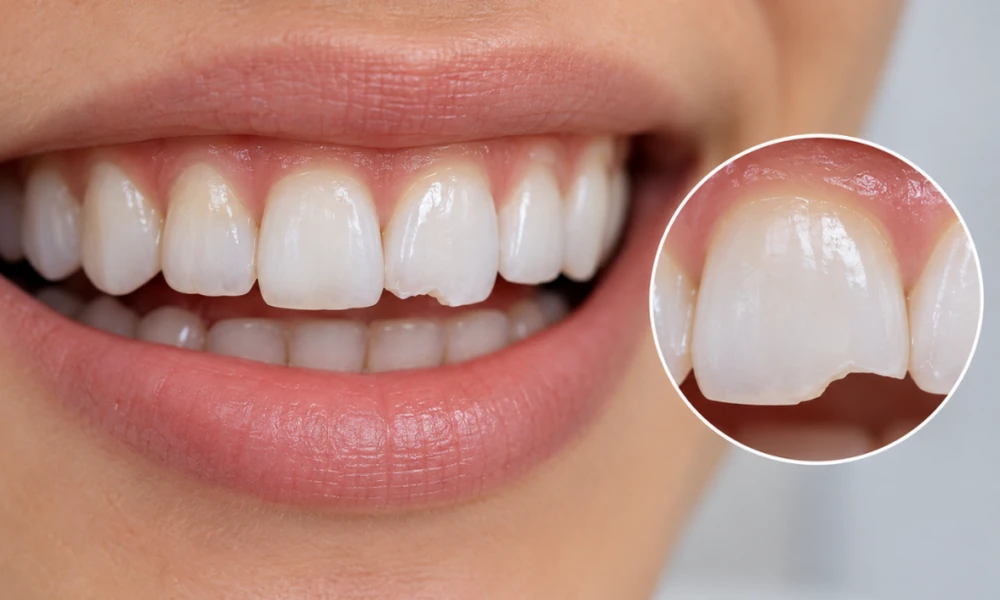
You finally asked for the smile work you have been putting off, then the written estimate lands in your hands and the stress starts. The numbers may be higher than you expected. The wording may feel vague. One line says veneers, another says lab fees, another mentions follow up visits, and suddenly you are wondering what you are actually agreeing to pay for. Comprehensive dental services in Knoxville.
That reaction makes sense. A cosmetic dental treatment estimate is not just a price sheet. It is the roadmap for your care, your costs, and your expectations. If the estimate is clear, you can compare options, ask better questions, and avoid ugly billing surprises later. If it is vague, you can end up paying for changes, repairs, or add-ons you did not see coming.
The written cosmetic dental estimate should spell out the exact treatment
The first detail to review is the actual procedure being proposed. General phrases like “smile makeover” or “cosmetic restoration” are too broad. You need the estimate to list each treatment by name, such as teeth whitening, bonding, porcelain veneers, crowns, or implant supported restorations. If multiple teeth are involved, the estimate should identify how many teeth and which ones.
This matters because cosmetic care often has layers. You may think you are paying for veneers on six front teeth, but the written plan may also include contouring, temporary restorations, x rays, or gum shaping. If those items are missing from the estimate, they may show up later as extra charges. A solid cosmetic dental treatment estimate leaves very little to guesswork.
Material choices affect appearance, durability, and price
The second detail is the material being used. In cosmetic dentistry, the material can change both the look and the cost of treatment. Porcelain, composite resin, zirconia, and metal ceramic options do not perform or age the same way. If the estimate says only “crown” or “veneer,” ask what material is planned and why.
You are not being picky. You are protecting yourself. A low estimate may reflect a lower cost material, or a different lab process, not a better value. The National Institute of Dental and Craniofacial Research offers a useful guide to dental materials that can help you understand the basics before you agree to treatment.
Lab fees and outside costs should be listed clearly
The third detail is whether laboratory fees are included. Many cosmetic cases involve a dental lab that fabricates veneers, crowns, implant parts, or custom trays. Some practices bundle those fees into one total. Others separate them. Either approach is fine, as long as you can see what is included.
This is where confusion turns into frustration. A patient may approve a written dental treatment quote, then learn later that the temporary restorations, shade matching, or outside lab work were billed separately. If the estimate is meant to be a true written quote, it should state whether those charges are included, estimated, or billed only if needed.
Insurance limits and out of pocket responsibility need plain language
The fourth detail is the insurance section, if any. Many cosmetic procedures are not covered, and some treatments are only partly covered when there is a functional need. Medicare generally does not cover routine dental services, which you can confirm on the Medicare dental services page. Private plans vary widely.
If the estimate includes insurance figures, check whether they are guaranteed or only projected. A projected benefit is not a promise. If a claim is denied, you may owe the full amount. That is why a written estimate should state your expected patient portion in plain numbers. You should never have to reverse engineer your own bill from insurance codes.
Timelines, visits, and revisions should be part of the treatment estimate
The fifth detail is the treatment timeline. Cosmetic work often takes more than one appointment. You may need records, mock ups, temporaries, seating visits, bite adjustments, and follow up checks. If those visits are part of the process, they should be reflected in the estimate.
Pay close attention to revisions. What happens if you do not like the shape or shade of a veneer? What if a temporary comes off before the final placement? Some offices include a set number of adjustments or remakes within a certain time. Others bill separately. A clear written dental treatment estimate should explain these limits before treatment starts, not after you are already committed.
Payment terms and billing protections reduce the chance of surprise charges
The sixth detail is payment terms. Review deposit requirements, due dates, financing arrangements, refund rules, and cancellation fees. Cosmetic treatment often requires custom work that cannot be returned once made, so offices may require payment in stages. That is normal. What is not normal is vague language that leaves you unsure when money is due or whether the total can change.
Federal guidance on a good faith estimate can help you understand what clear medical pricing is supposed to look like. Even when a cosmetic dental procedure is not handled exactly the same way as other health services, the idea is the same. You deserve a written estimate that is specific enough to review before you say yes.
A strong cosmetic dentistry estimate is clear where weak estimates stay vague
| Detail | Clear Estimate | Red Flag |
|---|---|---|
| Procedure description | Lists each service and number of teeth | Uses broad phrases like smile makeover only |
| Materials | Names porcelain, composite, zirconia, or other material | No material listed |
| Lab fees | States included, separate, or estimated lab costs | Silent on outside fees |
| Insurance | Shows projected coverage and patient share | Suggests coverage without clarification |
| Visits and revisions | Explains appointments, follow ups, and remake policy | No timeline or adjustment terms |
| Payment terms | States deposits, due dates, and refund rules | Leaves cost changes open ended |
Three steps to take before you approve any dental estimate
Ask for line by line wording. If a treatment estimate feels broad, ask the office to rewrite it with each service, material, and fee listed separately. A good office will not treat that request like a problem.
Get clarity on what could change the price. Ask what events would increase the total. Additional decay, gum treatment, remake requests, sedation, or extra visits can all affect the final bill. You want those possibilities named in advance.
Compare estimates on substance, not just the bottom line. Two quotes for the same cosmetic work can differ for good reasons. One may include stronger materials, more planning, more follow up care, or a better remake policy. Compare the details, not just the total.
When you review an estimate for cosmetic dental care, you are not being difficult. You are being careful with your health and your money. A written plan should answer basic questions before treatment begins, and if it does not, pause and ask for better information. That one step can save you from regret later.