
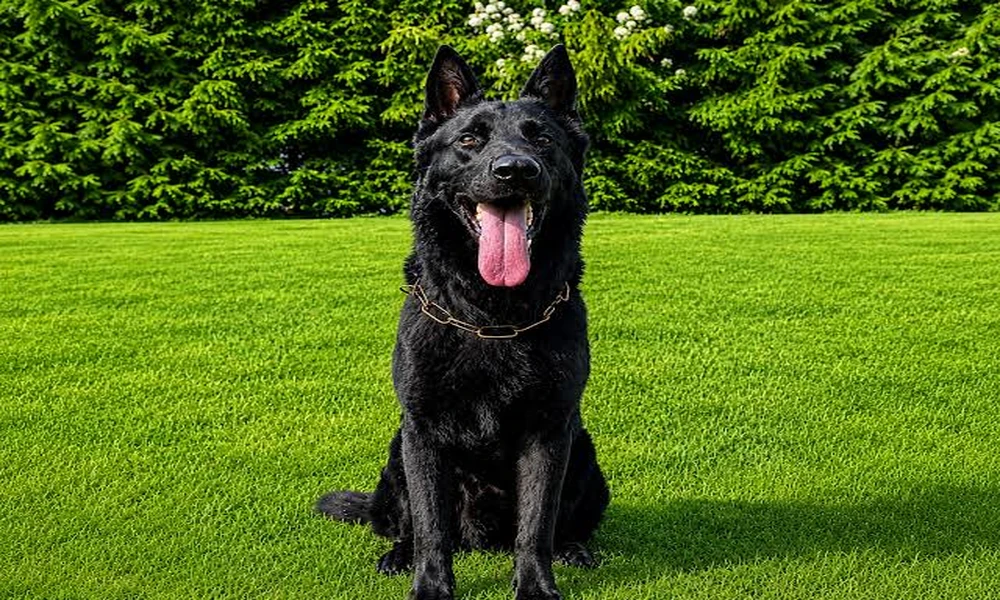
A German Shepherd can look impressive in a sales video: focused eyes, powerful movement, immediate responses to a familiar trainer. The purchase becomes much more meaningful when that same dog can settle in your living room, walk past a delivery driver, and respond reliably to you. If you are searching for a professionally trained German Shepherd protection dog for sale, those ordinary moments deserve as much attention as the protection demonstration.
The useful question is whether this individual dog has the temperament, preparation, and support needed for your household. Evaluating those details helps you distinguish a convincing performance from a dog you can realistically live with and handle.
Start with the dog you would live with
The German Shepherd’s breed standard emphasizes confidence and steadiness of temperament. That helps explain the breed’s appeal, but a breed description does not certify an individual dog’s suitability for personal protection. [1]
Ask to observe the dog during an unhurried visit. Can it rest while people talk? How does it behave when someone enters the room or another dog passes at a sensible distance? Does it recover after an ordinary distraction, or remain agitated? You are looking for a manageable companion whose behavior you can understand.
Give the seller a realistic account of your home. A household with visiting grandchildren, a resident cat, and frequent tradespeople presents different demands from a quiet home occupied by one experienced handler. Ask which of those conditions the dog has actually encountered and which would require further assessment.
Ask what the training includes
The phrase professionally trained should lead to a detailed explanation. Request the dog’s training history, the skills it has been taught, the environments in which those skills have been practiced, and the identity of the people responsible for the work. A pedigree, registration document, or competition title answers a different question from how the dog behaves in a family home.
Useful household skills include walking without dragging the handler, waiting at doors, returning when called in appropriate controlled settings, and settling in a designated resting place. Ask the trainer to explain the dog’s cues and show how it responds around ordinary distractions. If the dog only performs in one familiar training area, ask how the transfer to your environment will be supported.
Discuss training methods openly. The American Veterinary Society of Animal Behavior recommends reward-based methods for all dog training and warns against methods that rely on pain or fear. [2] Request a clear explanation of how desired behavior is reinforced and how mistakes are managed. Evasive answers about welfare deserve attention before you commit.
Look beyond the dramatic demonstration
A protection demonstration should be arranged and managed by qualified professionals. Buyers should never provoke a dog, stage a confrontation, or ask a friend to test it. Instead, request an explanation of what the demonstration is intended to show and what its limitations are.
Watch the transitions as well as the activity itself. How does the dog behave before the exercise? How does the trainer end it? Can the dog return to ordinary handling afterward? An edited highlight reel may omit exactly the moments you need to understand.
Imagine a delivery arriving while you are carrying groceries. Your practical requirement is to move the dog to a secure place, maintain control of the entrance, and receive the package safely. Ask to see the relevant household obedience in a controlled setting. That scenario tells you something useful about daily ownership without turning a visitor into part of a test.
Read the actual health records
Ask for the dog’s veterinary history and relevant screening reports, including available hip and elbow evaluations. Match the name, registration details, and permanent identification on the records to the dog being offered. The parents’ records provide background; they do not replace the adult dog’s own available results.
When a seller mentions a Canine Health Information Center number, look up the underlying results. The Orthopedic Foundation for Animals explains that a CHIC number records completion and public disclosure of the required tests; it does not mean every result is normal. [3] Have a veterinarian explain unfamiliar findings and discuss whether further assessment would be appropriate.
Health documentation also belongs in the practical ownership conversation. Ask about current exercise, previous injuries, medication, diet, and any restrictions. A dog whose care requirements exceed your capacity may be a poor match even when its training is impressive.
Make the handover part of the purchase
A dog responding to its trainer does not establish that you can handle it equally well on delivery day. Request supervised sessions in which you learn the cues, lead handling, household routines, and safe management practices. Other adults who will be responsible for the dog should participate where appropriate.
Ask the provider to define what successful handover looks like. You should be able to demonstrate the agreed everyday skills with coaching and understand when to seek help. Get the number and location of sessions, follow-up arrangements, and additional fees in writing.
Plan the first weeks before the dog arrives. Decide where it will sleep, how visitors will enter, who will exercise it, and how introductions to existing pets will be managed. Agree on a gradual transition with the trainer rather than filling the first weekend with guests.
Buy a documented match for your household
Compare offers by what they include: the individual dog, verified records, relevant training, owner instruction, and support after placement. Clarify deposits, delivery, any trial arrangement, and return or replacement terms before paying. Treat a promise of guaranteed safety as a reason to ask harder questions.
A worthwhile purchase should leave you with evidence you can review and routines you can carry out. Before committing to a professionally trained German Shepherd protection dog for sale, meet the dog, handle it under supervision, and confirm that the provider can explain how it will fit your actual life.
Sources
1 American Kennel Club Official German Shepherd Dog breed standard
2 American Veterinary Society of Animal Behavior Humane Dog Training