
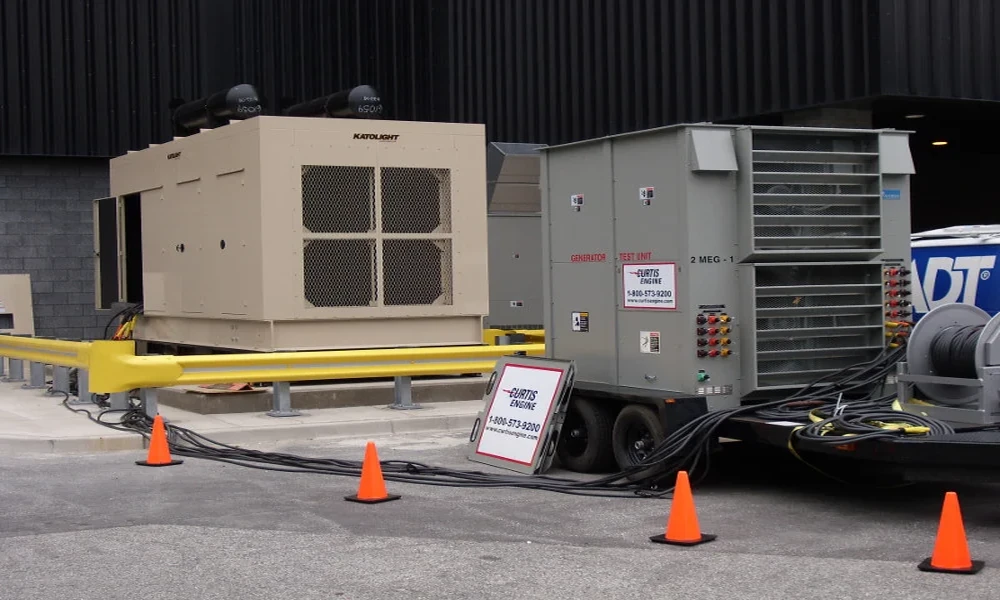
Load bank testing serves to ensure that generators are reliable especially when operating under their actual load. This guide defines load bank testing, and its significance in the case of backup power systems. This overview can make business owners using generators comprehend its worth.
Exploring more about load bank testing services
What is load bank testing
Load bank testing is the artificial electrical load placed on a generator to test the performance of a generator. This can simulate the real-world demands enabling technicians to test the reactions of the system. The testing is done to ensure that the generators are capable of meeting the anticipated power demands.
Why load bank testing matters
During normal testing, generators can be lightly loaded and this may not bring forth the underlying problems. Load bank testing subjects systems to load conditions that are more like those in emergencies. The concept of this difference makes it easier to explain why intensive testing is still needed. These are just some of the reasons why load bank testing is important to generator reliability:
- Realistic performance evaluation: Load testing is a way to determine how generators will react in reality in case of an emergency.
- Early issue detection: Load testing can show those issues that are not noticed in light-load operation.
- Wet stacking prevention: The frequent load test assists in avoiding the accumulation of carbon due to the inadequate engine load.
- Confirmed capacity verification: Testing checks whether generators can manage the rated power capacity.
Benefits of scheduling load bank testing services
Frequent load bank testing helps instill increased confidence in the accuracy of generators occasionally faced with an actual outage. This is an excellent evaluation process that particularly helps businesses that rely on backup power. The knowledge of such advantages strengthens the worth of planned tests. Here are some of the advantages of routine load bank testing services Greenville SC:
- Improved system reliability: Tests will ensure that the generators will work well even under actual emergencies.
- Reduced failure risk: Spotting problems at the earliest stage assists in avoiding the later emergence of the failure of the generators during outages.
- Extended equipment lifespan: Problems initiating during testing will be handled, and consequently it will have a long overall lifespan of the generators.
- Compliance support: Testing on a regular basis assists companies in meeting the pertinent industry or regulatory criteria.
When to schedule load bank testing
Timing is crucial in ensuring steady generator reliability with regular testing. There are special circumstances when it is especially necessary to schedule the test of the load bank. Awareness of the right time will keep businesses with reliable backup power. These are some of the scenarios that justify load bank testing services:
- After installation: Testing ensures that the new generators are operational before they are allowed to operate.
- Following extended inactivity: Testing assists in the detection of problems when generators stay idle over a long time.
- As part of routine maintenance: Scheduled testing helps to maintain the existing trust in the reliability of the work of generators.
A look at the frequently asked questions
What load bank testing?
It is the process of inputting an artificial load in order to performance test a generator.
Why test load banks?
It exposes those problems that are not seen when the generator is operating in light loads.
Is it possible to avoid wet stacking using load bank testing?
Yes, frequent testing can avoid the deposition of carbon due to the lack of load.
What is the retesting frequency of load bank testing?
Periodic planned testing helps in the constant, continuous reliability of the generators.