
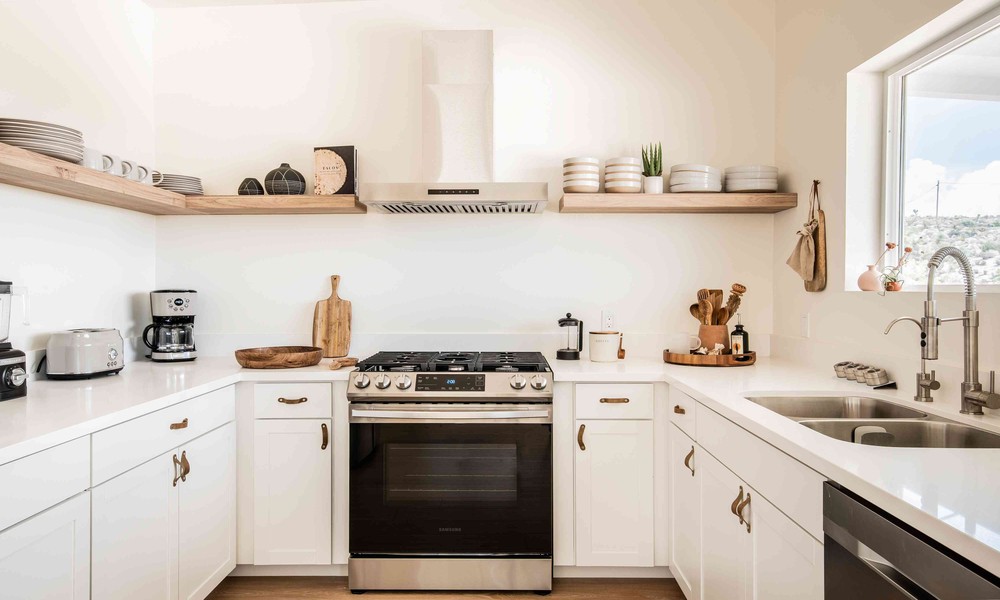
Every inch matters when working inside a limited cooking zone. Careful arrangement decides how smoothly tasks move. Smart placement supports speed and reduces clutter at once. The selection of f&b kitchen equipment plays a central role in shaping usable space. Compact units allow more movement without blocking work areas. A clear plan helps maintain order while improving daily efficiency. Every section below connects practical ideas with structured layout thinking.
Vertical storage planning for better usage
Wall height offers unused potential in tight layouts. Proper vertical setup frees the floor area for movement.
- Wall-mounted shelves hold tools while saving valuable lower surface space
- Hanging racks keep daily items reachable without creating visual clutter
- Magnetic strips secure metal tools in neat, aligned positions
- Tall cabinets use upper gaps that usually remain ignored
Efficient vertical use reduces pressure on limited working zones.
Balanced layout improves workflow clarity.
Clear spacing supports smooth task flow without interruption. Proper positioning avoids unnecessary movement during busy hours. Each element must support easy reach and logical sequence. Work zones should connect without overlap or obstruction.
Multi-functional surfaces for flexible operations
Working surfaces should perform more than one task at once. Foldable tops increase usability without permanent space usage. Sliding boards extend work areas only when required. Smart surfaces reduce the need for additional furniture.
Smart appliance placement for space flow
Arrangement of units must follow movement patterns. Keeping heavy units near walls improves open pathways. f&b kitchen equipment arranged in sequence supports efficient workflow.
- Compact cooktops fit narrow counters without reducing heating performance
- Stackable units allow vertical use instead of spreading across surfaces
- Built-in appliances blend into the structure, reducing visual and physical clutter
- Portable units shift easily depending on task requirements and timing
- Slim refrigeration units preserve storage while saving floor footprint
- Under-counter installations open upper zones for additional utilities
- Foldable equipment reduces the occupation when not actively in use
- Lightweight tools allow quick rearrangement without effort or delay
Smart placement improves both safety and usability.
Clean arrangement supports better movement
Clutter blocks speed and creates confusion in small setups. Clear surfaces allow better focus during tasks. Organized storage ensures tools stay in designated places. Simple layouts reduce stress during peak work periods.
Compact storage units improve accessibility flow
Smaller storage solutions help maintain order within limited space. Drawers with sections prevent the mixing of tools. Pull-out trays provide easy access without bending. Narrow cabinets fit tight corners that often remain unused.
Structured planning ensures long term usability.
Every decision must focus on long term use. Proper selection of size and shape prevents overcrowding. Consistent arrangement keeps operations smooth without frequent adjustments. Thoughtful design supports daily tasks without interruption.
Common questions on compact kitchen planning
- What makes small kitchen planning effective?Clear layout with minimal obstruction improves overall efficiency.
- Why compact units are preferred?They reduce space usage while maintaining full functionality.
- How vertical storage helps?It frees the lower area and improves movement space.
- Is movable equipment useful?Yes, it supports flexibility during different task stages.
- How to avoid clutter buildup?Assign fixed positions for every tool and maintain routine checks.
Smart design builds consistent efficiency
Careful arrangement brings steady results over time. Small adjustments create meaningful impact in daily operations. Choosing the right-sized units supports balanced movement. Organized placement reduces effort during repetitive tasks. Consistency in layout ensures a smooth workflow without confusion.