
Key Takeaways
- Live station catering improves perceived quality and interaction, but only when serving speed matches the size and timing of the seminar.
- Cooking activity adds atmosphere during breaks, yet organisers must manage ventilation, noise, and room layout to avoid distracting from presentations.
- Higher manpower, equipment, and space requirements increase costs, so the decision should align with programme goals rather than visual impact alone.
Introduction
Seminar catering influences how attendees experience breaks, interact with one another, and return to the next session. Organisers in Singapore increasingly consider live station catering as an alternative to buffet trays or pre-packed meals. A chef preparing laksa, carving meat, or brewing specialty coffee can shift the atmosphere of a corporate seminar within minutes. The visual appeal, however, does not automatically align with programme timing, venue layout, or attendee behaviour. Before adding a live station to your seminar catering plan, examine how it affects flow, space, cost, and attention. The seven points below outline practical advantages and drawbacks to help you decide whether it suits your event structure.
1. Fresh Preparation Raises Perceived Quality
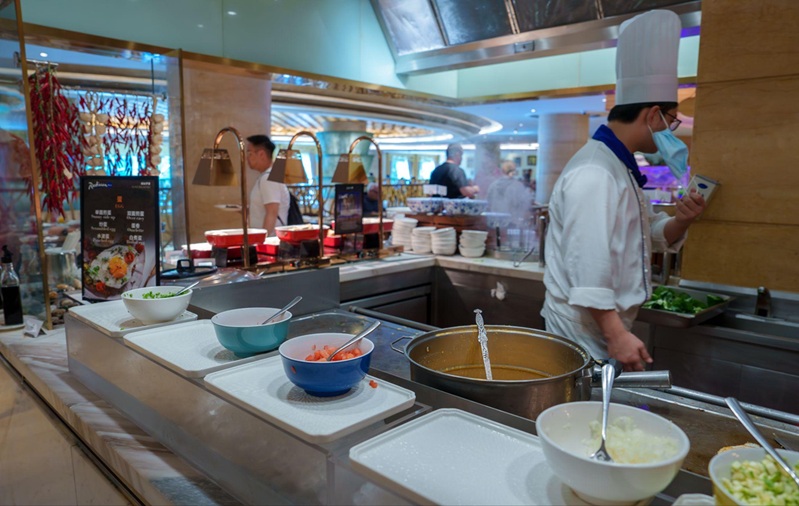
Live station catering prepares food in front of guests. Attendees receive meals immediately after cooking rather than from warming trays that sit for extended periods. At executive briefings or client-facing seminars, this immediacy can signal attention to detail and budget commitment. When guests observe ingredients assembled in real time, they often associate the event with higher standards. This effect becomes more noticeable in smaller seminars where participants stand close to the preparation area.
2. Real-Time Adjustments Reduce Dietary Issues
Seminars frequently host participants with dietary restrictions, allergies, or religious requirements. Pre-packed meals require advance sorting and clear labelling, which still leaves room for confusion. At a live station, a chef can remove specific ingredients, adjust sauces, or prepare a simplified version on request. This flexibility lowers the risk of cross-contact and reduces the need for separate meal stations. Organisers gain tighter control over compliance when guests communicate directly with the food preparer.
3. Interactive Breaks Encourage Networking
Long seminar sessions demand mental concentration. During breaks, attendees look for a shift in environment before returning to presentations. A live station creates a focal point where small groups gather while waiting for food. These short queues encourage informal conversation among participants who may not interact during seated sessions. In corporate event planning in Singapore contexts, networking value often influences catering decisions. When managed well, the station becomes a structured pause rather than a distraction.
4. Service Speed Can Slow Programme Flow
Seminar schedules usually allocate limited time for meals. A buffet allows multiple attendees to serve themselves simultaneously. A live station depends on individual preparation time. If each dish takes several minutes to assemble, queues grow quickly. In a seminar with a 30-minute break and over 100 participants, delayed service affects punctuality for the next session. Attendees who wait too long may rush their meal or skip networking entirely. Organisers must calculate serving speed against audience size before approving live station catering.
5. Food Aroma and Equipment Noise Affect Focus
Cooking activity produces sound and smell. Frying pans, coffee grinders, and portable burners create background noise. Strong aromas from spices or grilled ingredients may linger in enclosed seminar rooms. If the venue does not provide a separate catering space or adequate ventilation, the afternoon session may carry residual distractions. Professional seminar catering requires coordination with venue managers to isolate preparation areas or manage airflow effectively.
6. Additional Manpower and Space Increase Cost
Live stations require trained chefs and equipment setup. The catering team must transport cooking appliances, allocate counter space, and secure safe electrical connections. These requirements increase labour and logistical costs. Compared to standard office catering ideas such as buffet trays or bento sets, live stations often add a noticeable percentage to the overall budget. Organisers must weigh the impact on event ROI, especially when seminar objectives focus on training efficiency rather than hospitality display.
7. Food Practicality Influences Professional Appearance
Certain live station favourites involve broths, sauces, or layered ingredients that spill easily. Corporate seminars frequently involve laptops, printed materials, and formal attire. Meals that require two hands or careful balancing may limit conversation and movement. Clean, easy-to-hold items reduce risk during standing lunches. When selecting live station catering, organisers should evaluate how the chosen menu interacts with the physical setting and dress code.
Conclusion
Live station catering can enhance seminar catering when freshness, interaction, and brand impression align with event goals. It can also introduce logistical strain when space, time, or budget remains limited. Organisers should assess venue layout, audience size, break duration, and programme priorities before committing. When these elements support controlled service flow and minimal disruption, a live station adds measurable value. When timing and space remain tight, simpler catering formats may protect schedule integrity.
To examine your seminar catering plan and find out if live station catering fits your event’s goals and operational limitations, get in touch with Elsie’s Kitchen.